
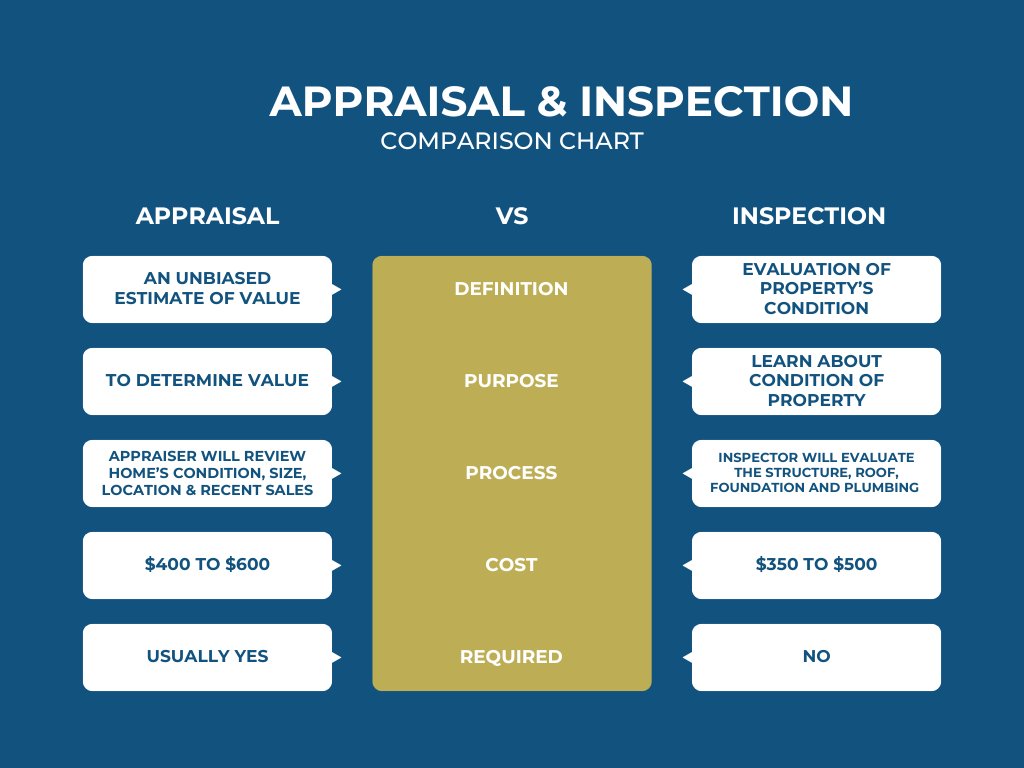
“Do I really need an appraisal?”
“My lender says I can waive it.”
“Will it save me money?”
I hear these questions all the time. And the answer isn’t simple. Sometimes waiving the appraisal saves you $500. Sometimes it costs you thousands.
Let me tell you about two clients. One waived. One didn’t. One came out ahead. One lost $18,000.
The $18,000 Mistake
A client named Jenna was refinancing her home in Denver. She owed $320,000. Her home was probably worth around $450,000. Her lender said, “You can waive the appraisal because your estimated LTV is under 80%.” She waived it. The lender’s automated valuation model (AVM) pegged her home at $440,000. Her LTV was 73%. No PMI. She closed.
But the AVM was wrong. Her home was actually worth $490,000. If she’d gotten an appraisal, her LTV would have been 65%. That wouldn’t have changed her rate—below 70% is all the same tier. So no harm, right?
Wrong. A year later, she wanted to do a cash‑out refi to consolidate $40,000 in debt. The lender used the old AVM value of $440,000. Max cash‑out allowed was 80% LTV, so $440,000 × 0.8 = $352,000. Subtract her balance of $315,000, and she could only take $37,000.
But if she’d had an appraisal at $490,000, she could have taken $490,000 × 0.8 = $392,000 minus $315,000 = $77,000. She left $40,000 in untapped equity on the table. Over time, that cost her thousands in higher interest on her credit cards.
She was furious. “Why didn’t anyone tell me?” she asked.
I couldn’t answer. She’d waived the appraisal to save $500. It cost her access to $40,000 in equity. That’s a terrible trade‑off.
The Flip Side: When Waiving Works
Another client, Ryan, was refinancing his condo. He owed $180,000. His estimated value was $260,000. LTV was 69%. He didn’t need a cash‑out. He just wanted a lower rate. The AVM was accurate—actually, a little conservative at $258,000.
He waived the appraisal, saved $550, and closed in three weeks instead of five. His LTV was still under 70%, so he got the same rate. Waiving was the right call.
Ryan had no plans for a cash‑out refi. He was happy.
So when should you waive? When should you insist on an appraisal? Let’s break it down.
The Decision Framework
Waive the appraisal if:
- You’re certain your home value is well above the LTV threshold (e.g., your estimated LTV is under 70% and you don’t need cash out).
- You’ve recently had an appraisal (within 6 months) and nothing has changed.
- You’re in a hurry and the $500‑$600 savings matter to you.
- You trust the AVM (not always a good idea).
Insist on an appraisal if:
- You’re near a key LTV threshold (80%, 75%, 70%). A higher appraisal could drop your LTV into a better tier, improving your rate or eliminating PMI.
- You plan to do a cash‑out refi in the next few years. Lock in a higher value now.
- You’ve made improvements to your home (new kitchen, bathroom, roof). AVMs often miss those.
- Your neighborhood has seen rapid appreciation. An appraisal captures that better than an AVM.
The AVM Problem (Why It’s Often Wrong)
AVMs use public records, tax assessments, and recent sales. They don’t know about your new quartz countertops. They don’t know that you refinished the basement. They don’t know that the house down the street sold for $50,000 over asking three weeks ago.
I’ve seen AVMs miss value by 10‑15% regularly. In a rising market, they lag. In a volatile market, they’re unreliable.
If you think your home is worth more than the AVM says, pay for an appraisal. It’s a few hundred dollars that could save you thousands.
The PMI Connection
If you’re refinancing to drop PMI, an appraisal is essential. The AVM might show 81% LTV, but an actual appraisal might show 79%. That difference saves you $50‑$150 a month.
My client Nancy had an AVM of $295,000. Her loan balance was $240,000. LTV = 81%. She would have kept PMI. She paid for an appraisal. It came back at $310,000. LTV = 77%. PMI dropped. She saved $80/month. The appraisal cost $550. Break‑even: 7 months. Worth it.
The Time Factor
Appraisals add time—usually 7‑14 days to schedule and complete. In a hot market, appraisers are busy. Sometimes it takes three weeks. If you need to close quickly (e.g., you’re buying a new home and need cash out), waiving might be your only option.
But if speed isn’t critical, get the appraisal.
One More Caution: The Low Appraisal Risk
What if the appraisal comes in lower than expected? That can kill your refinance. If your LTV jumps above 80%, you might face PMI or a higher rate. Or the loan might not fund at all.
That happened to my client David. He estimated his home at $420,000. The appraisal came back at $385,000. His LTV went from 72% to 78%. His rate offer increased by 0.25%. He decided to cancel the refi and try again in six months.
So appraisals aren’t risk‑free. But in a stable or rising market, the risk of a low appraisal is smaller than the risk of an undervalued AVM.
My Honest Advice
If you’re doing a rate‑and‑term refi with no cash out, and your estimated LTV is clearly below 70%, waive the appraisal. Save the money and time.
If you’re near any LTV threshold, or you’re doing a cash‑out refi, or you’ve made improvements, pay for the appraisal. It’s cheap insurance.
Jenna should have paid for the appraisal. She would have saved thousands. Learn from her mistake.
I will keep posting updates on this. Check back soon.
P.S. Jenna finally got an appraisal two years later. Her home had appreciated to $510,000. She did a cash‑out refi and paid off her debt. She told me, “I’ll never skip an appraisal again.” Neither should you.
This article is for informational purposes. Appraisal policies vary by lender. Always discuss with your loan officer.
Michael Harrington