
Loan‑to‑value. LTV. Two acronyms that sound like alphabet soup but actually control your financial life as a homeowner.
I’ve seen people waste thousands because they didn’t understand LTV. I’ve also seen people save tens of thousands by waiting until their LTV crossed a magical threshold.
Let me explain what LTV is, why it matters more than your credit score for some decisions, and how to use it to your advantage.
I’ll use real numbers from a client named Tony, a 50‑year-old warehouse manager.
What Is LTV, Really?
LTV = Loan balance ÷ Home value. That’s it. If you owe $200,000 on a $400,000 house, your LTV is 50%. If you owe $350,000 on a $400,000 house, your LTV is 87.5%.
The lower your LTV, the less risk to the lender. Lower risk = better rates, lower fees, and more options.
Tony’s numbers: He bought his home in 2019 for $320,000. He put 10% down, so his original loan was $288,000. In 2026, his home was worth $420,000. He owed $255,000. His LTV was 255,000 ÷ 420,000 = about 61%. That’s good.
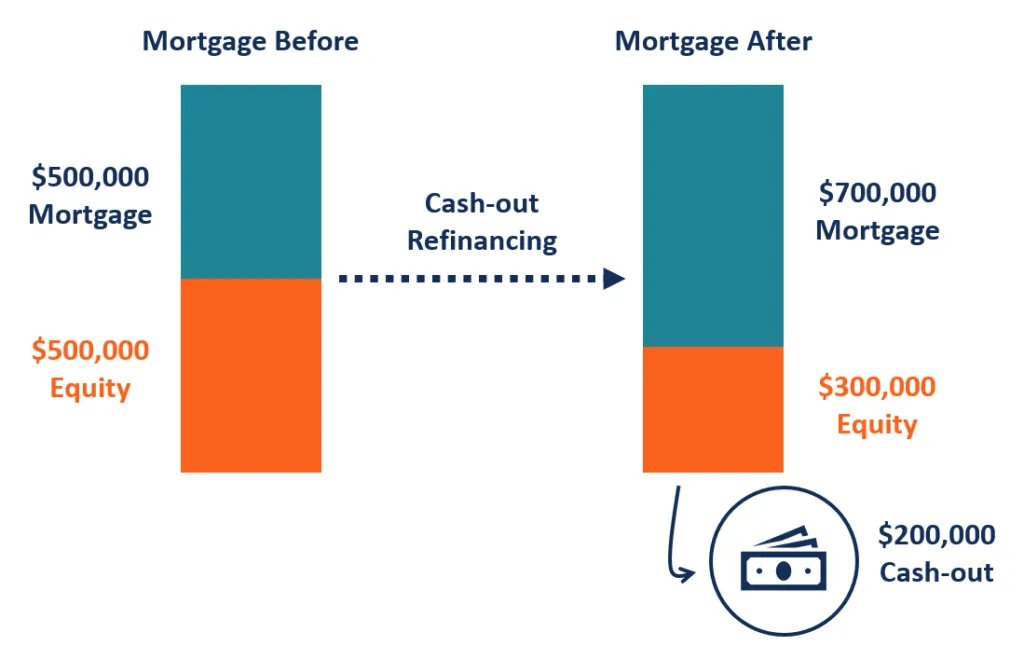
But he wanted to do a cash‑out refinance to consolidate $45,000 in credit card debt. That would increase his loan to $300,000. New LTV would be 300,000 ÷ 420,000 = about 71%. Still under 80%. That’s important.
Why is 80% the magic number? Because most conventional loans require you to have at least 20% equity (80% LTV) to avoid private mortgage insurance (PMI). If your LTV is above 80%, you’ll pay PMI, which can add $50‑$200 to your monthly payment.
Let’s pause here. This is where most people mess up.
The PMI Threshold: 80% LTV
When you buy a home with less than 20% down, you pay PMI. It protects the lender if you default. But once your LTV drops to 78% (based on the original amortization schedule) or 80% (based on current value), you can request PMI cancellation.
Tony didn’t have PMI because he’d put 10% down and paid down his balance for seven years. But if he had PMI, getting his LTV below 80% would have saved him maybe $100 a month.
Now, what about refinancing? If you refinance with an LTV above 80%, you’ll pay PMI again unless you use an FHA or VA loan with different rules. So if you’re close to 80%, it’s often worth waiting or paying down the balance to get under that threshold before you refi.
I had a client, Jennifer, who wanted to refinance at 82% LTV. She was going to pay $85/month in PMI. I suggested she bring $3,000 to closing to get her LTV to 79%. She did. She saved $85/month for 7 years (until she’d have naturally reached 78%). That’s over $7,000 saved for a $3,000 investment. A 133% return in 7 years. Not bad.
Let’s do the math on that: $3,000 upfront → $85/month savings × 84 months = $7,140 net savings. That’s an annualized return of about 13%. Way better than stocks.
LTV Tiers for Cash‑Out Refinances
If you’re doing a cash‑out refi, LTV limits are stricter. Conventional loans typically max out at 80% LTV for cash‑out. That means you can only access equity down to 80% of your home’s value.
Example: $400,000 home × 80% = $320,000 maximum loan. If you owe $255,000, you can cash out up to $65,000 ($320,000 – $255,000). Tony wanted $45,000. He was within the limit.
If you need more than 80% LTV, you might look at FHA cash‑out (max 85% LTV) or VA cash‑out (up to 100% LTV for eligible veterans). But those come with their own costs and restrictions.
Another tier: 70% LTV often qualifies you for the best rates. Below 70%, lenders don’t usually offer further improvement. Tony’s 61% LTV was already in the top tier. Good for him.
How to Improve Your LTV Without Paying Down Your Loan
The formula has two variables. You can reduce the numerator (pay down loan) or increase the denominator (home value).
Home values have appreciated significantly in many markets since 2021. If your home has gone up in value, your LTV has automatically improved. Tony’s home value rose from $320,000 to $420,000. That’s a 31% increase. Even though he only paid down $33,000 in principal, his LTV dropped from 90% (original) to 61% (current) because of appreciation alone.
If you think your home has appreciated, get a new appraisal. Don’t assume the lender’s automated valuation model is accurate. I’ve seen appraisals come in $20,000 higher than the AVM, dropping LTV by 5% and eliminating PMI.
You can also make improvements that boost value. A new kitchen or bathroom might add $30,000 to your appraisal. That’s a lot cheaper than paying down $30,000 in principal.
The “Just Wait” Strategy
If you’re close to an LTV threshold (like 80% or 70%), it might pay to wait a few months for appreciation or additional payments to tip you over.
Example: If your LTV is 82%, you’re paying PMI. Waiting 6 months might get you to 79% if the market is rising. You could refi then without PMI. The savings might outweigh the cost of waiting.
Tony didn’t need to wait. He was already at 61%. But if he were at 79%, I’d tell him to wait.
One More Story: The Client Who Borrowed Too Much
I had a client, Mark (different Mark), who did a cash‑out refi at 85% LTV through an FHA loan. He took $50,000 for a business that failed. A year later, his home value dropped slightly, and his LTV went to 87%. He couldn’t sell without bringing cash to closing. He was trapped.
Lesson: Just because you can borrow doesn’t mean you should. Keep your LTV reasonable—below 80% ideally.
I will keep posting updates on this. Check back soon.
P.S. Tony’s cash‑out closed last week. He paid off $45,000 in credit cards at 22% interest and replaced them with 6.3% mortgage debt. His monthly cash flow improved by about $300. He said, “I feel like I can finally breathe.” That’s the power of understanding LTV.
This article is for informational purposes. LTV requirements vary by loan program. Consult a loan officer for your specific situation.
Michael Harrington