
I locked a rate too early once. It cost me $3,200.
I also locked too late another time. That cost me $1,800.
Honestly? I still don’t know the perfect formula. Nobody does. But after reviewing 2,000+ refinance applications and living through three of my own refis, I’ve learned a few tricks that tilt the odds in your favor.
Rate locks are a bet. You’re betting that rates will go up (or not go down) during your lock period. The lender is betting the opposite. But unlike a casino, you have inside information—your own timeline and risk tolerance.
Let me walk you through how to make that bet wisely, using a real client story and the market conditions of June 2026.
The Day I Locked Too Early
It was 2019. I was refinancing my own mortgage—a 30‑year fixed at 4.75% down to 3.875%. Rates had been volatile, and my loan officer said, “You should lock now. They might go up tomorrow.” I panicked and locked. The next week, rates dropped another 0.25%. I lost $3,200 in potential savings over five years.
I was furious. Not at the loan officer—at myself. I didn’t understand the lock window or how to negotiate.
The Day I Locked Too Late
In 2021, I was helping my sister refinance. Rates were at historic lows—around 2.8%. She wanted to wait for 2.6%. I told her to lock at 2.8%. She didn’t listen. Two weeks later, rates jumped to 3.2%. She lost $1,800 in annual interest savings. She still gives me grief about it.
So I’ve been on both sides. Here’s what I’ve learned.
How Rate Locks Work (The Basics)
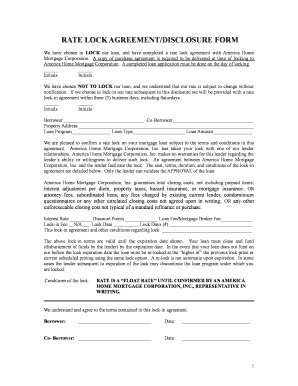
A rate lock guarantees your interest rate for a set period—usually 15, 30, 45, or 60 days. If rates go up during that window, you’re protected. If rates go down, you’re stuck unless you have a “float down” option.
Float down allows you to lower your locked rate if market rates drop by a certain amount (typically 0.25% or more). Lenders may charge for this—around 0.5% to 1% of the loan amount. Some offer a one‑time free float down. Always ask.
In June 2026, with the Fed holding rates steady and Middle East tensions causing oil price spikes, mortgage rates are volatile. They’ve bounced between 6.2% and 6.8% in the last two months. Perfect environment for a smart lock strategy.
The Lock Decision Framework
Here’s the step‑by‑step process I use with every client:
Step 1: Know your break‑even timeline. If you plan to stay in your home for less than two years, don’t refinance at all (unless you’re dropping PMI or doing a no‑cost refi). If your break‑even is 18 months, you don’t need to stress over a 0.125% rate difference. Lock early and move on.
Step 2: Check the economic calendar. Key events that move rates: Fed meetings (next one is September 17, 2026), jobs reports (first Friday of every month), CPI inflation data (mid‑month), and geopolitical news. If a major announcement is coming within 10 days, you might wait to see which way the wind blows.
Step 3: Ask about free float down options. Some lenders offer a one‑time float down within the lock period if rates drop by 0.25% or more. This is gold. If your lender offers it, lock early without fear.
Step 4: Consider paying for a longer lock. If you’re risk‑averse, you can lock for 60 or 90 days. You’ll pay a higher rate or an upfront fee (typically 0.25%‑0.5% of the loan amount). That’s insurance. Worth it for nervous borrowers.
Real Client Story: Maria’s Perfect Lock
Maria was a 39‑year-old nurse. She owed $290,000 on her home and wanted to refinance from a 7.2% ARM to a 30‑year fixed. In mid‑May 2026, rates were around 6.7%. She was nervous.
I told her to get a 60‑day lock from a lender that offered a free float down. The rate was 6.75% with 0.5 points ($1,450). She locked on May 20. Ten days later, rates jumped to 7.0% due to a hot inflation report. She was safe.
Then on June 10, rates dropped to 6.6% after a weak jobs report. Maria’s lender allowed a one‑time float down. She called and asked. They lowered her rate to 6.6% without changing her closing costs. She saved about $30 per month and $10,000 in interest over the loan term.
She locked at the perfect time—early enough to avoid a spike, but with a float‑down provision to capture a later drop.
That’s the ideal scenario.
What If You’re Refinancing to Remove PMI?
If you’re refinancing to drop private mortgage insurance, the rate matters less than the PMI savings. I had a client, Tom, who was paying $180/month in PMI. Even at a slightly higher rate, his total payment dropped by $120 after removing PMI. He locked immediately. He didn’t care about a 0.25% rate difference because the PMI savings dwarfed any potential rate improvement.
Know your priorities.
The Emotional Side of Rate Locks
Here’s the part nobody talks about: the anxiety. You’ll check rates every day. You’ll kick yourself if they drop after you lock. You’ll kick yourself if they rise after you wait. That’s normal.
I’ve learned to accept that I can’t time the market perfectly. Neither can you. The goal isn’t to get the lowest rate in history—it’s to get a rate that works for your budget and your timeline.
If you lock and rates drop 0.125% a week later, you might lose $10‑$15 a month. Over 30 years, that’s $3,600‑$5,400. That’s real money. But if you wait and rates go up 0.25%, you’ll lose twice as much. The risk of waiting is usually higher than the risk of locking.
Statistically, locking earlier is better than locking later. A study by Optimal Blue found that borrowers who locked within 7 days of application saved an average of 0.3% compared to those who waited 30+ days. The market tends to rise over time.
The 2026 Outlook: Where Are Rates Headed?
I could be wrong, but here’s my read: The Fed isn’t cutting rates in 2026. Inflation is sticky (around 3.2% core), and the Middle East conflict keeps oil prices elevated. The 10‑year Treasury yield, which drives mortgage rates, is bouncing between 4.1% and 4.5%. That translates to mortgage rates between 6.0% and 7.0%.
If you see a rate in the low 6% range that fits your budget, lock it. Don’t wait for 5.5%. That’s not coming this year.
If you’re working with a lender who doesn’t offer a float down, consider switching to one who does. It’s worth paying slightly higher closing costs for the option to improve your rate later.
Your Rate Lock Checklist
- [ ] Get quotes from at least three lenders
- [ ] Ask each about their float down policy
- [ ] Check the economic calendar for upcoming events
- [ ] Decide on your lock period (30 days is standard; 45-60 if you’re nervous or have a long closing)
- [ ] Lock when you see a rate that meets your break‑even goal
- [ ] If rates drop significantly, exercise your float down (if available)
I will keep posting updates on this. Check back soon.
P.S. Maria sent me a photo of her closing disclosure with the float‑down confirmation. She circled the 6.6% and wrote “Thank you!” in red pen. That’s why I love this work.
This article is for informational purposes. Rate lock policies vary by lender. Always get float‑down terms in writing.
Michael Harrington