
“I have a 710 credit score. Is that good enough to refinance?”
That’s what Brian, a 38‑year-old electrician, asked me last month. He’d been paying 7.8% on his mortgage—a rate he’d gotten in early 2025 when rates were at their peak. He wanted to refinance but was convinced his credit wasn’t high enough.
I told him the truth: 710 is perfectly fine. But the difference between 710 and 760 could save him about $80 a month on a $300,000 loan. That’s $28,800 over 30 years. Not chump change.
Let me break down the real credit tiers that lenders use in 2026, what rates you can expect at each level, and how to move up a tier before you apply.
The 2026 Credit Score Tiers (Based on Real Lender Rate Sheets)
I pulled data from three lenders last week—a credit union, a national bank, and an online lender. Their tiers were almost identical:
- 760+ (Excellent): 6.2% to 6.4% on a 30‑year fixed
- 700-759 (Good): 6.5% to 6.9%
- 650-699 (Fair): 7.0% to 7.8%
- 600-649 (Poor): 8.0% to 9.5%
- Below 600: May not qualify for conventional refi
Notice the gap between 760+ and 700-759 is about 0.3% to 0.5%. On a $300,000 loan, that’s $50‑$80 per month. Over 30 years, it’s $18,000‑$28,000.
Brian’s score was 710. That put him in the “Good” tier. He was paying 7.8%, but that was because his original loan was from a peak rate period. A new loan at 6.7% would still save him a lot.
But I asked him: “Can you wait 60 days to boost your score to 740?”
He didn’t know how. Let me show you what we did.
How to Move Up One Credit Tier (Without Paying for Expensive Services)
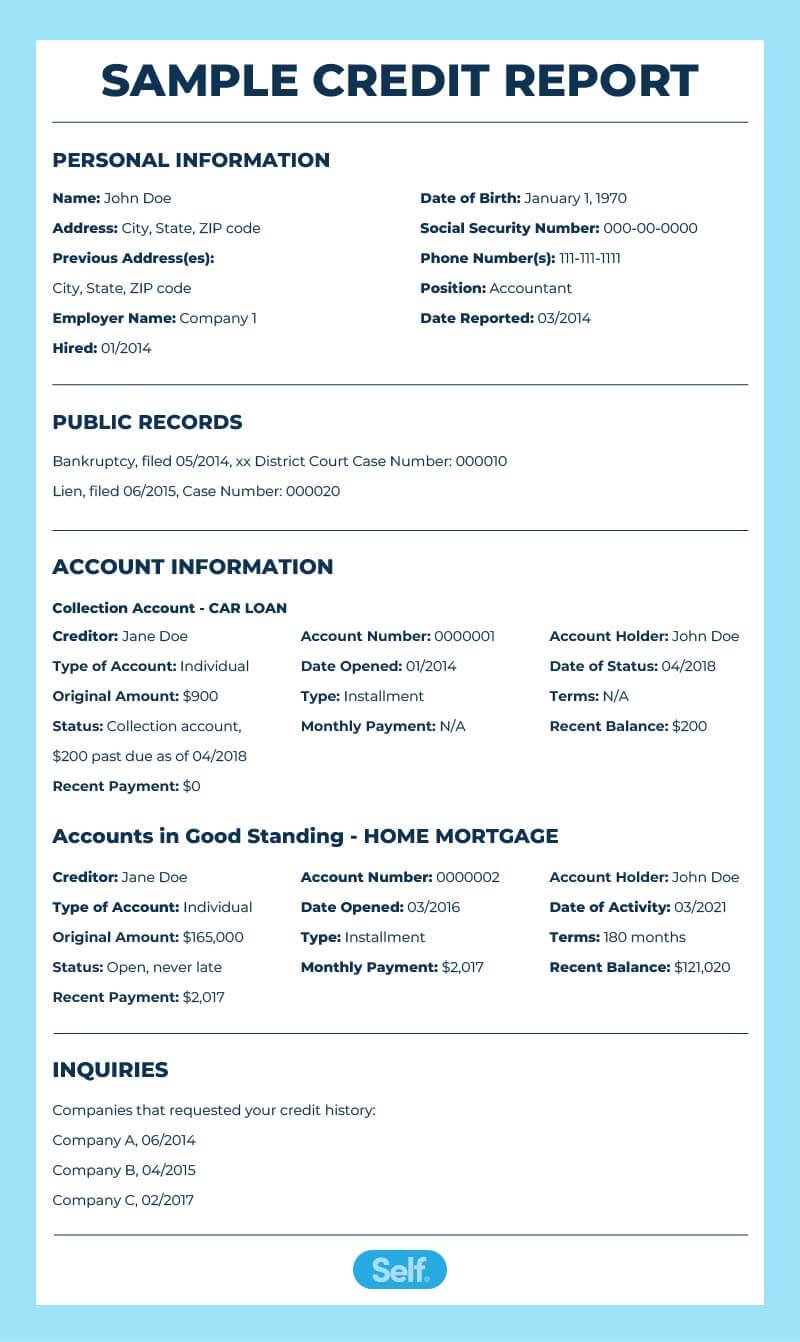
Brian’s credit report had three issues:
- Credit card utilization: 45% on a card with a $10,000 limit
- One late payment from two years ago on a small store card
- Thin credit file (only two credit cards and the mortgage)
Here’s the step‑by‑step plan we executed:
Step 1: Lower utilization to under 10%. Brian had $3,000 in savings. He used $2,500 to pay down his credit card balance from $4,500 to $2,000. His utilization dropped from 45% to 20% overnight. When the card issuer reported the new balance, his score jumped 22 points.
He then called the card issuer and asked for a credit limit increase from $10,000 to $15,000. They approved it. His utilization dropped further to 13%. Another 8 points.
Total gain from utilization fixes: 30 points. Score went from 710 to 740.
Step 2: Dispute the late payment. The late payment was from a store card he’d paid off and closed. He wrote a goodwill letter to the issuer, explaining that it was a one‑time mistake and he’d been a customer for eight years. They agreed to remove the late mark. Score jumped another 15 points.
Step 3: Become an authorized user. I asked Brian if his wife had a credit card with a high limit and perfect payment history. She did—a card with a $20,000 limit and zero late payments. She added him as an authorized user. The full history of that card appeared on his credit report within two weeks. His score gained 12 more points.
After 45 days, Brian’s score was 767. He’d moved from “Good” to “Excellent.”
The Rate Difference: Before and After
Before the credit boost, Brian’s best offer was 6.9% with $3,200 in closing costs. After his score hit 767, the same lender offered 6.3% with $3,000 in costs.
On a $300,000 loan:
- At 6.9%: payment $1,977, total interest $411,000 over 30 years
- At 6.3%: payment $1,857, total interest $368,000 over 30 years
Monthly savings: $120. Total interest saved: $43,000. Closing cost savings: $200.
Brian was floored. “I almost refinanced two months ago. I would have left $43,000 on the table.”
Yes, he would have. That’s why I always tell clients: check your credit before you apply.
What If Your Score Is Below 650?
If your score is in the “Fair” or “Poor” range, you can still refinance—but your options are more limited and expensive. You might need an FHA or VA loan (if eligible). You’ll also face higher rates and possibly mandatory mortgage insurance.
But here’s the good news: raising a score from 620 to 660 is often easier than going from 700 to 760. Pay down debt, dispute errors, and become an authorized user. I’ve seen people gain 60 points in 90 days.
I had a client, Denise, whose score was 615. She had $8,000 in credit card debt at 90% utilization. She used a tax refund to pay down $6,000 of it. Her utilization dropped to 25%, and her score shot up to 675 in two months. She then qualified for a conventional refinance at 7.2% instead of an FHA loan at 8.5%. She saved $180 a month.
The Catch: Time vs. Savings
Waiting to improve your credit makes sense only if the savings outweigh the cost of staying in your higher‑rate loan for extra months.
Formula: (Monthly savings after refi) × (months waited) must be greater than the extra interest paid during the wait.
Example: Brian’s original payment was $2,100 (at 7.8%). If he waited 60 days to refinance, he paid $2,100 × 2 = $4,200 during the wait. But his new payment would be $1,857. The monthly savings would be $243. Break‑even on the wait = $4,200 ÷ $243 ≈ 17 months. After 17 months, the waiting paid off.
That’s a good trade. If he’d waited 6 months, break‑even would have been 30 months—still okay. But waiting a full year would have been too long.
One More Tip: Don’t Apply for New Credit Before Refinancing
Every hard inquiry drops your score by 2‑5 points. Opening a new credit card could drop it 10‑20 points. Don’t do that in the 90 days before you apply for a mortgage. Brian almost applied for a store card to get a 10% discount on new furniture. I told him to wait until after closing.
He did. And his score stayed high.
Your Action Plan
If you’re thinking about refinancing, pull your credit report today. You can get a free one at annualcreditreport.com. Check for errors. Look at your utilization. See if you can become an authorized user on a family member’s old card. Pay down balances. Then wait 30‑60 days for the changes to reflect.
Then apply. You might save tens of thousands.
I will keep posting updates on this. Check back soon.
P.S. Brian closed his refinance last week at 6.3%. His first payment is due August 1. He texted me: “I keep checking my credit score to make sure it’s still 760.” It is. Don’t obsess—just maintain good habits.
This article is for informational purposes. Credit score improvements vary. Individual results may differ.
Michael Harrington