Why My Refinance Calculator Said I'd Save $200 a Month—Then the Insurance Killed It
Marcus Thompson
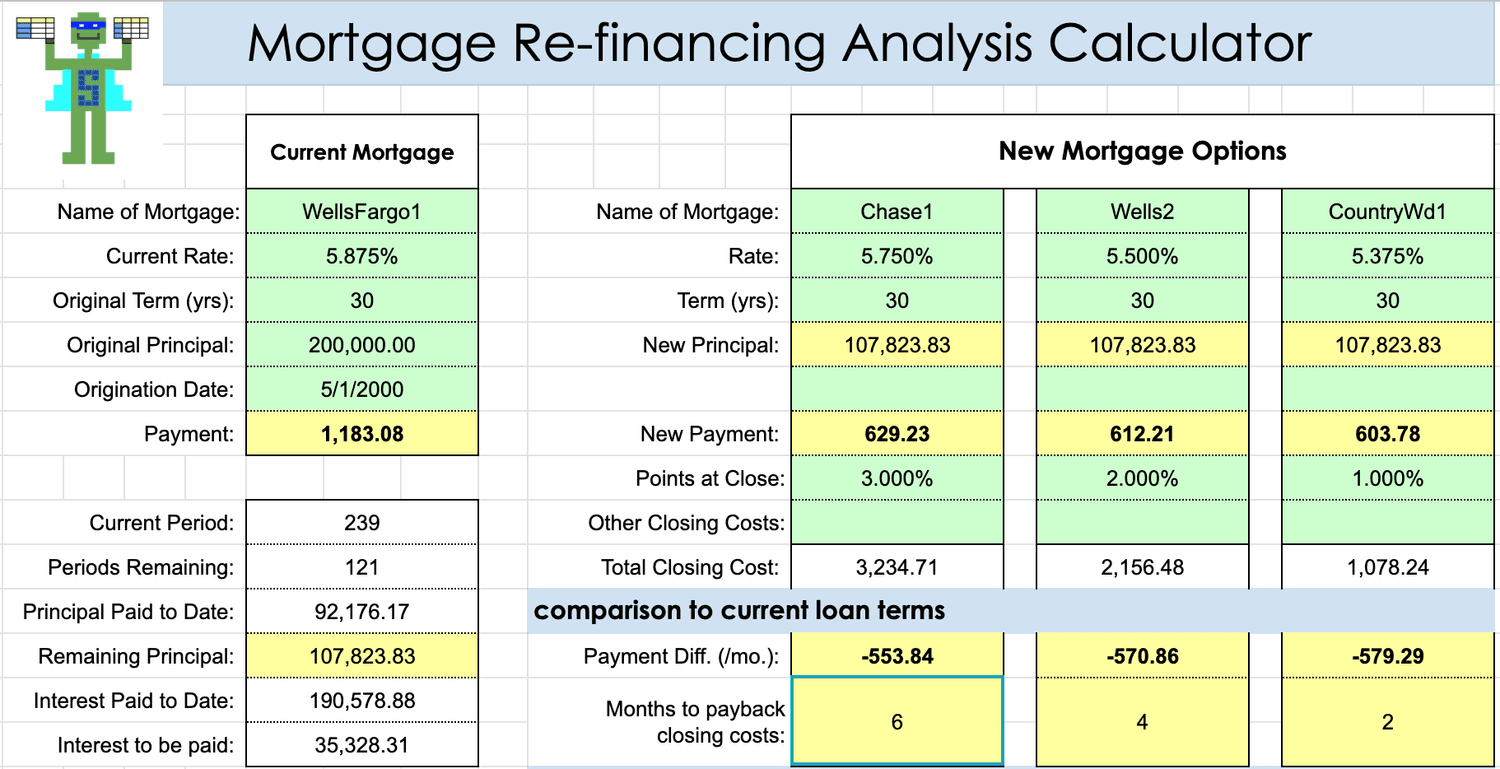
I was sitting at my kitchen table in March, looking at the refinance calculator on my bank's website, and I felt something I hadn't felt in years. Hope. The calculator said that if I refinanced my mortgage from 5.2% to 4.1%, I would save $247 a month. That's $2,964 a year. That's a vacation. That's a new roof. That's breathing room. I called my mortgage broker. He ran the numbers. He confirmed the savings. I started the paperwork. I paid for the appraisal. I paid for the credit check. I was three weeks from closing when my insurance agent called. "Your homeowner's premium is going up," she said. "By how much?" I asked. "$340 a month," she said. I dropped the phone. Three hundred and forty dollars. A month. That's $4,080 a year. That's more than the refinance savings. The refinance that was supposed to save me $247 a month was now going to cost me $93 a month more. Because of insurance. Because of the climate. Because of a risk that the refinance calculator didn't know existed.
I've owned my house in Denver for ten years. I refinanced once before, in 2019. It was easy. The insurance was stable. The climate was stable. The numbers worked. I saved $180 a month and I used it to pay down debt. This time was different. This time, the insurance industry had decided that Colorado was a high-risk zone. Wildfires. Hail. Drought. Heat. The Marshall Fire had destroyed a thousand homes. The hailstorms of 2024 had caused billions in damage. The wildfire smoke of 2025 had settled over Denver for weeks. And the insurance companies responded the only way they know how: by raising premiums. For everyone. Not just the people in the mountains. Not just the people in the forest. Everyone. Including me. Including my suburban brick house with no trees within fifty feet. Including my house that had never had a claim. Including my house that was supposed to be low risk. The risk assessment had changed. And my refinance was collateral damage.
Here's what the refinance calculators don't tell you. They ask for your current interest rate. They ask for the new rate. They ask for your loan balance and term. They calculate your monthly payment. They show you the savings. They do not ask for your insurance premium. They do not ask for your property tax. They do not ask for your HOA fees. They do not ask for your climate adaptation costs. They assume that the only thing that matters is the mortgage payment. And that assumption is false. The mortgage payment is just one piece of the homeownership puzzle. And in 2026, it's not even the biggest piece. The insurance is the biggest piece. The taxes are the second biggest. And the mortgage is third. The calculator that ignores the first two is not a calculator. It's a fantasy.
I called my mortgage broker back. I told him about the insurance. He was sympathetic. He had heard this before. "Insurance is killing refinances," he said. "I'm seeing it every week. People get approved. They get excited. Then the insurance quote comes in and the savings disappear." I asked if there was anything I could do. He suggested shopping for new insurance. I did. I got quotes from five companies. The range was $280 to $420 a month more than I was paying. None of them were better than my current company's increase. One company wouldn't even write a policy in my ZIP code. "We're reducing exposure in Colorado," they said. Reducing exposure. That's insurance-speak for "we're leaving and you're stuck."
I started looking at the national data. Refinance applications are down 40% from 2023. Not because interest rates are high. They're lower than they were. But because the total cost of homeownership is rising faster than mortgage rates are falling. Insurance premiums are up 18% nationally. Property taxes are up 12%. Utilities are up 15%. And the refinance calculators, which only measure the mortgage, are missing the forest for the tree. They're telling people they'll save money when they'll actually lose money. They're creating false hope. And false hope is worse than no hope. Because it costs money. Appraisal fees. Credit check fees. Application fees. I spent $800 on a refinance that was never going to work. Because the calculator lied.
The thing that really gets me is that the banks know. They know insurance is rising. They know property taxes are rising. They know the total cost of ownership is the real number. But they don't put it in the calculator. Because the calculator is a marketing tool. It's designed to get you to apply. To spend money on fees. To commit to the process. And by the time you discover that the savings are illusory, you're already invested. You've already paid. You've already hoped. And the bank has already made its fee. The calculator is not your friend. It's a funnel. And you're the product being funneled into a transaction that benefits the bank more than it benefits you.
I decided not to refinance. It was a hard decision. I had already spent $800. I had already done the paperwork. I had already imagined the $247 in my account every month. But the math didn't work. The insurance increase killed the savings. And without the savings, the refinance was just a fee-generating exercise for the bank. I called my broker and cancelled. He was understanding. He had cancelled five other refinances that week for the same reason. "It's the new normal," he said. "People can't refinance because the insurance is too high. And they can't sell because no one can get insurance. And they can't afford to stay because the costs are too high. It's a trap." A trap. That's what it felt like. A trap built by climate change and sprung by the insurance industry. And the refinance calculator was the bait.
I started looking at alternatives. Could I appeal my property tax assessment? Yes, but it would take months and probably wouldn't work. Could I improve my home's resilience to lower insurance? Yes, but it would cost $15,000 and the insurance discount would be minimal. Could I switch to a higher deductible? Yes, but then I'd be on the hook for more in a disaster. Could I move? To where? Everywhere is getting more expensive. Everywhere is getting riskier. The trap is not local. It's national. It's global. And the refinance calculator, with its cheerful $247 savings estimate, is not helping anyone escape it.
I'm not giving up on my house. I'm not selling. I'm not walking away. But I'm not refinancing either. I'm staying put. I'm paying my mortgage. I'm absorbing the insurance increase. And I'm saving for the next emergency. Because the emergencies are coming. The heat waves. The hailstorms. The wildfires. The broken ACs. The car batteries that die in the heat. The medical bills from heat exhaustion. The list is endless. And the savings from a refinance that doesn't account for the climate are meaningless. They're a mirage. And I'm done chasing mirages.
So here's my advice. If you're thinking about refinancing, don't trust the calculator. Call your insurance agent first. Get a real quote. Call your tax assessor. Get a real number. Add up all the costs. Mortgage. Insurance. Taxes. Utilities. Maintenance. Climate adaptation. And then compare. If the total cost goes down, refinance. If it doesn't, don't. Because the mortgage payment is just one line in a budget that is getting longer and more expensive every year. And the calculator that ignores the rest is not helping you. It's selling you.
Anyone else had their refinance killed by insurance? Because I'm starting to think we need a real homeownership cost calculator. And I'm willing to build it.
